April 9, 2026
A well-planned garage door replacement can significantly improve both the functionality and appearance of your home while contributing to long-term value. Homeowners often overlook how much daily wear a garage door experiences, from repeated opening cycles to constant exposure to weather conditions. Choosing the right replacement involves more than selecting a style—it requires thoughtful consideration of materials, installation methods, maintenance expectations, and performance upgrades. Taking a comprehensive approach helps prevent premature wear and supports smoother operation over time.
According to Fixr, a properly maintained garage door should last 15 to 30 years. This highlights the importance of making informed decisions early in the process, as the right combination of materials, installation, and upkeep can make a substantial difference in how long your investment performs at a high level. By understanding each stage of garage door replacement, homeowners can create a solution that balances durability, efficiency, and visual appeal for years to come.
Understanding Needs and Evaluating Options
The first step in garage door replacement is carefully evaluating your current door and identifying what is no longer meeting your needs. Visible damage such as dents, rust, or warping can indicate structural decline, while operational issues like slow response times or excessive noise may point to mechanical wear. Taking note of these factors helps determine whether a full replacement is necessary or if upgrades alone could improve performance. This initial assessment provides a clear starting point for making smarter decisions moving forward.
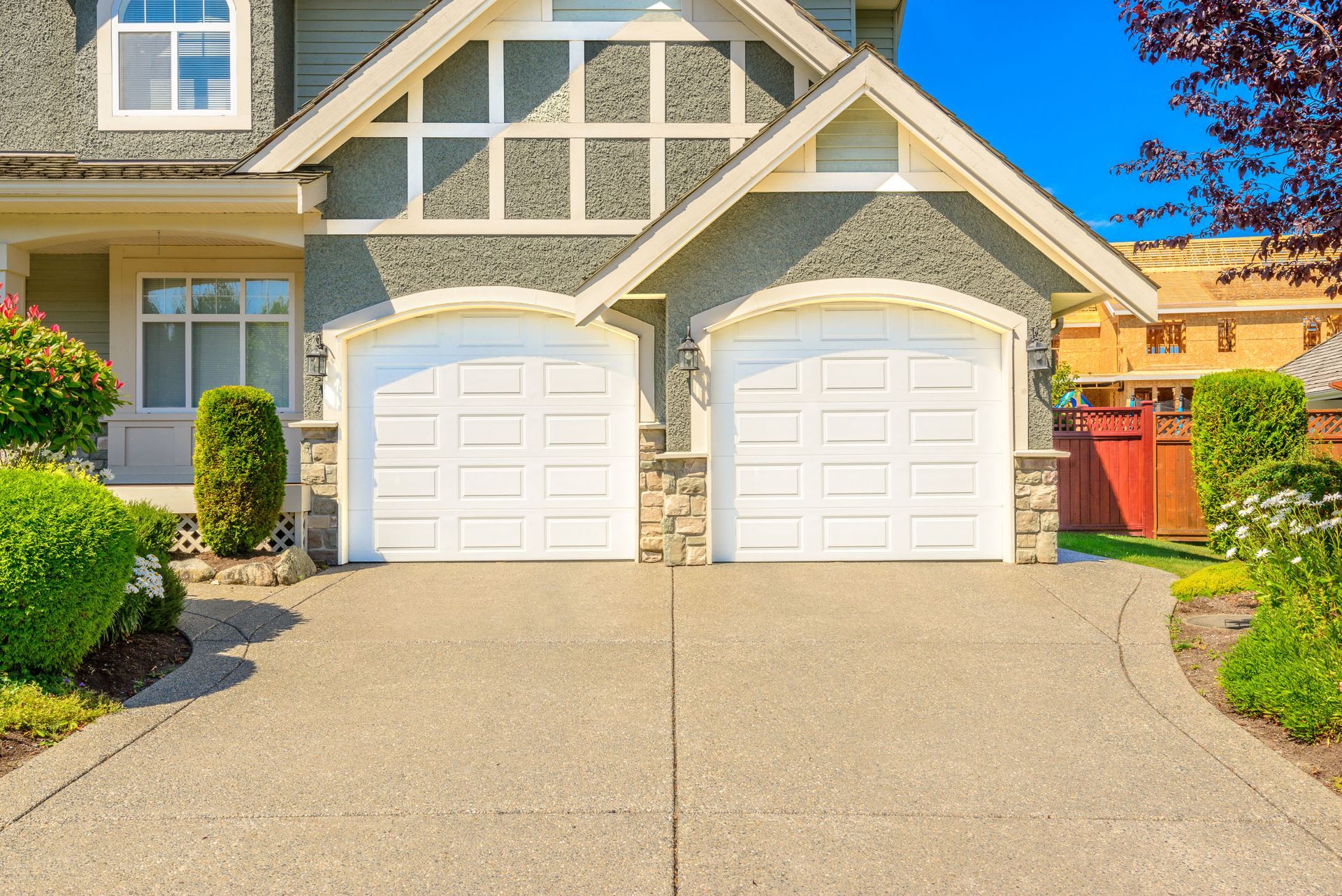
Balancing functionality and design is another important part of the decision-making process. Some homeowners prioritize insulation, durability, and security, while others focus on enhancing curb appeal with modern styles or decorative features. Determining what matters most allows you to narrow down options efficiently and avoid unnecessary costs. A well-chosen garage door replacement should complement your home's architecture while still meeting everyday performance expectations.
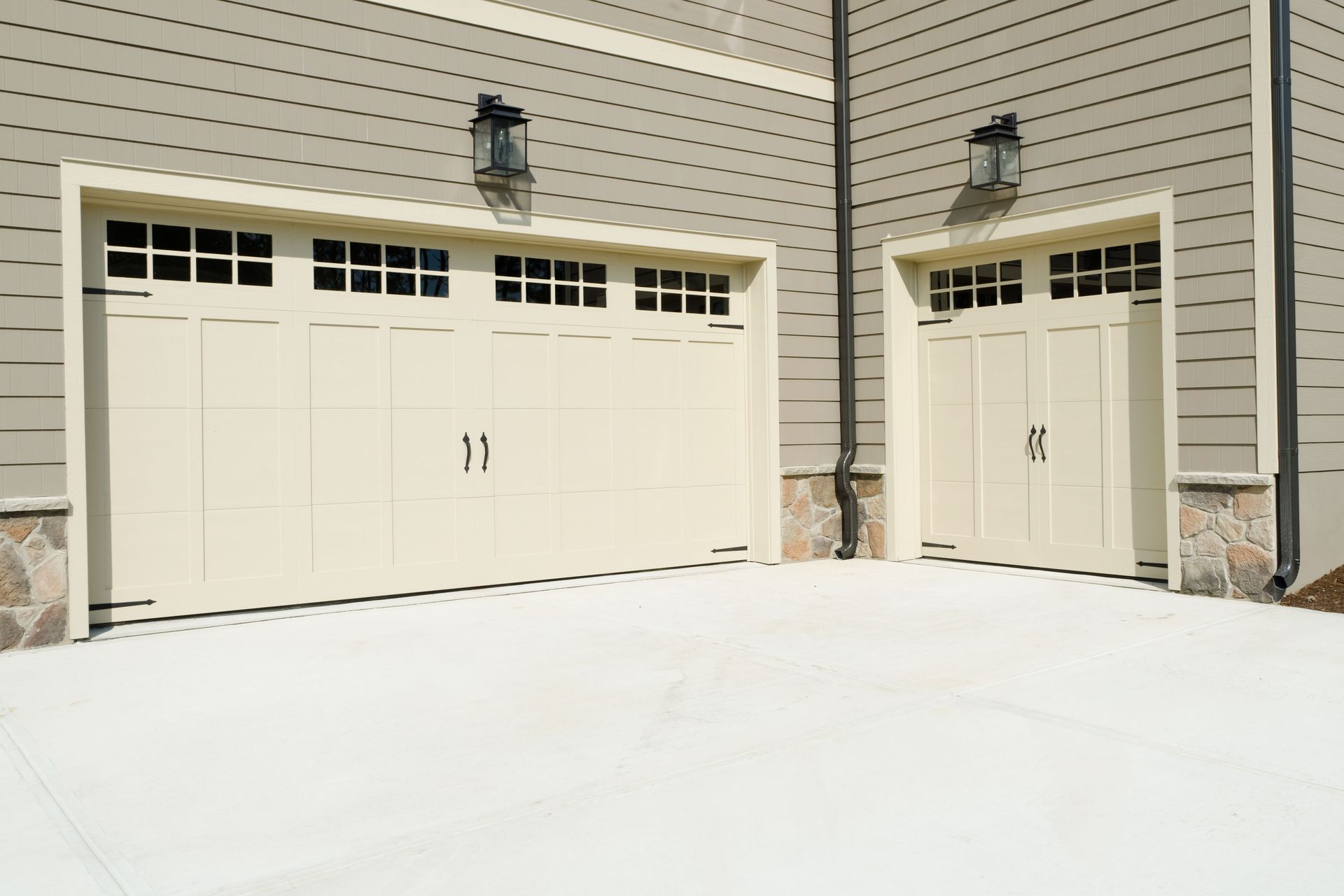
Exploring available materials and styles expands your ability to customize the final result. From traditional raised-panel doors to sleek contemporary designs, there are options to match nearly any aesthetic. Pairing the right look with practical features such as windows, insulation, and smart technology creates a solution that is both attractive and functional. Thoughtful planning at this stage sets the foundation for a garage door replacement that aligns with both short-term goals and long-term satisfaction.
Selecting Materials and Comparing Performance
Material selection plays a major role in how a garage door performs over time. Wood offers a timeless appearance but requires consistent maintenance to protect against moisture and temperature changes. Steel provides strong durability and security while requiring less upkeep, though it may be prone to dents if impacted. Aluminum is lightweight and resistant to corrosion, making it a practical option for certain environments, while fiberglass combines strength with resistance to moisture and salt exposure.
Durability and maintenance requirements should be carefully weighed when comparing materials. Some homeowners prefer low-maintenance options that require minimal upkeep, while others are willing to invest time in preserving a more traditional look. Understanding how each material responds to daily use and environmental conditions helps prevent unexpected repairs and extends the lifespan of the door. A well-informed material choice contributes directly to the overall success of a garage door replacement.
Climate considerations also influence which material performs best. Regions with high humidity, heavy snowfall, or frequent temperature swings require doors that can handle expansion, contraction, and moisture exposure. Insulated doors with higher R-values can improve energy efficiency by stabilizing indoor temperatures, especially for attached garages. Evaluating these factors allows homeowners to select a material that not only looks appealing but also supports long-term efficiency and resilience.
Planning Installation and Evaluating Methods
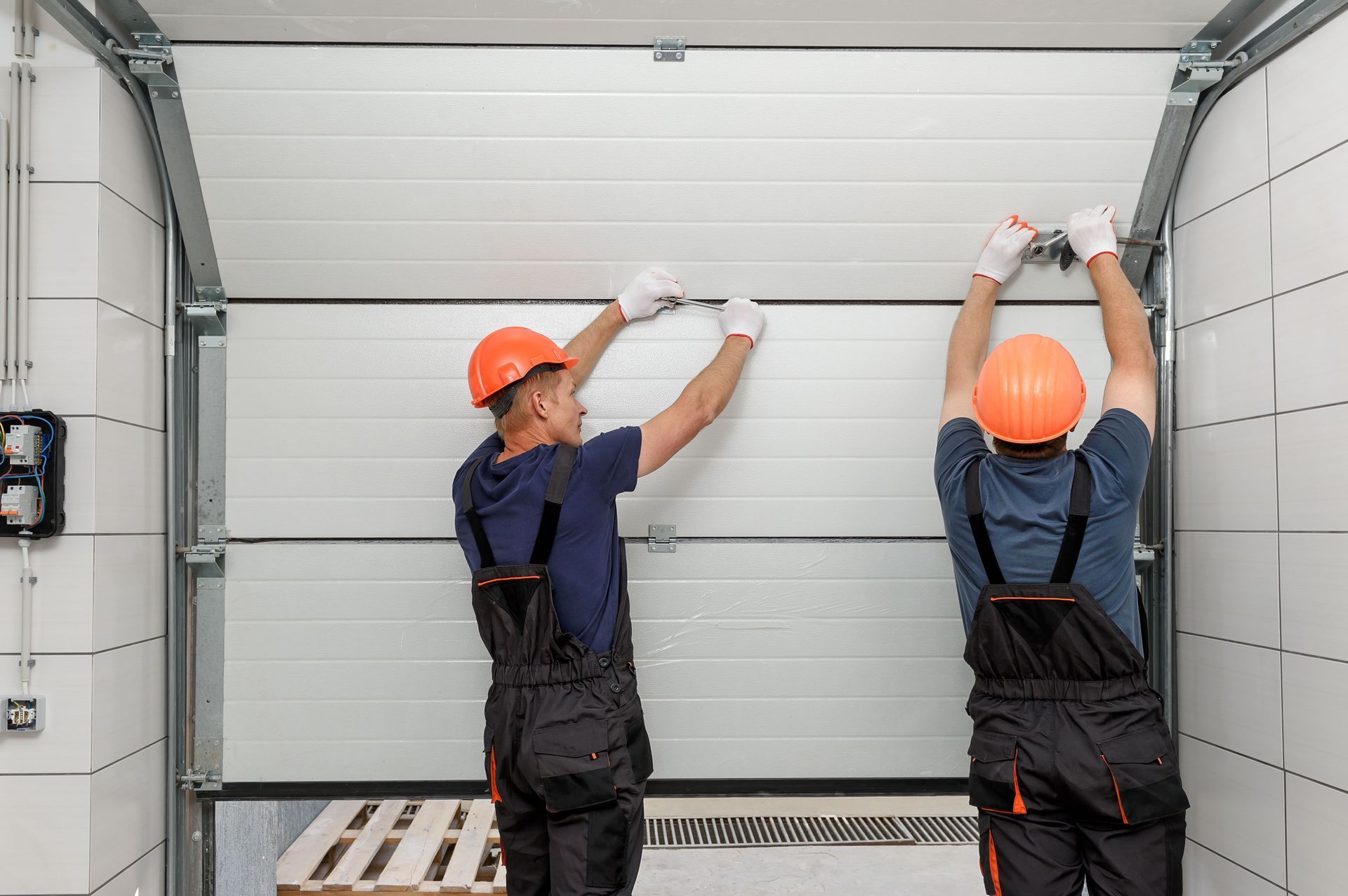
Choosing between professional installation and a do-it-yourself approach is a critical step in garage door replacement. Professional installation offers precision, proper alignment, and adherence to safety standards, which can reduce the likelihood of future mechanical issues. It also saves time and provides access to warranties that may not be available with a DIY project. While this option may involve a higher upfront cost, it often leads to fewer complications over time.
DIY installation can be appealing for those looking to reduce expenses, but it requires a solid understanding of the system's components. Garage doors involve complex mechanisms, including springs and tension systems that can pose safety risks if handled incorrectly. Without the proper tools and experience, mistakes can lead to operational issues or even injury. Careful consideration of your skill level is essential before choosing this route.
If professional installation is selected, researching service providers becomes an important step. Reading reviews, comparing pricing, and asking detailed questions about the installation process can help identify a company that aligns with your expectations. Understanding warranty coverage for both materials and labor adds another layer of confidence. A well-executed installation supports the long-term performance of your garage door replacement and minimizes the need for early adjustments or repairs.
Maintaining Performance and Preventing Issues
Routine maintenance is key to extending the life of any garage door replacement. Regular inspections allow homeowners to identify small issues before they escalate into costly problems. Components such as rollers, hinges, and tracks should be checked for wear, while lubrication helps reduce friction and maintain smooth operation. Establishing a consistent maintenance schedule keeps the system functioning efficiently throughout the year.
Addressing common issues early can prevent disruptions in daily use. Noisy operation, uneven movement, or delayed response times often signal underlying problems that require attention. Tightening hardware, adjusting alignment, and replacing worn parts can restore performance without the need for major repairs. Staying proactive helps maintain reliability and reduces the likelihood of unexpected breakdowns.
Seasonal maintenance also plays a valuable role in preserving performance. Weather changes can impact materials and mechanical components, making it important to prepare the door for different conditions throughout the year. Checking weatherstripping, clearing debris, and testing safety features help maintain consistent operation. A well-maintained garage door replacement not only lasts longer but also operates more safely and efficiently over time.
Upgrading Features and Enhancing Functionality
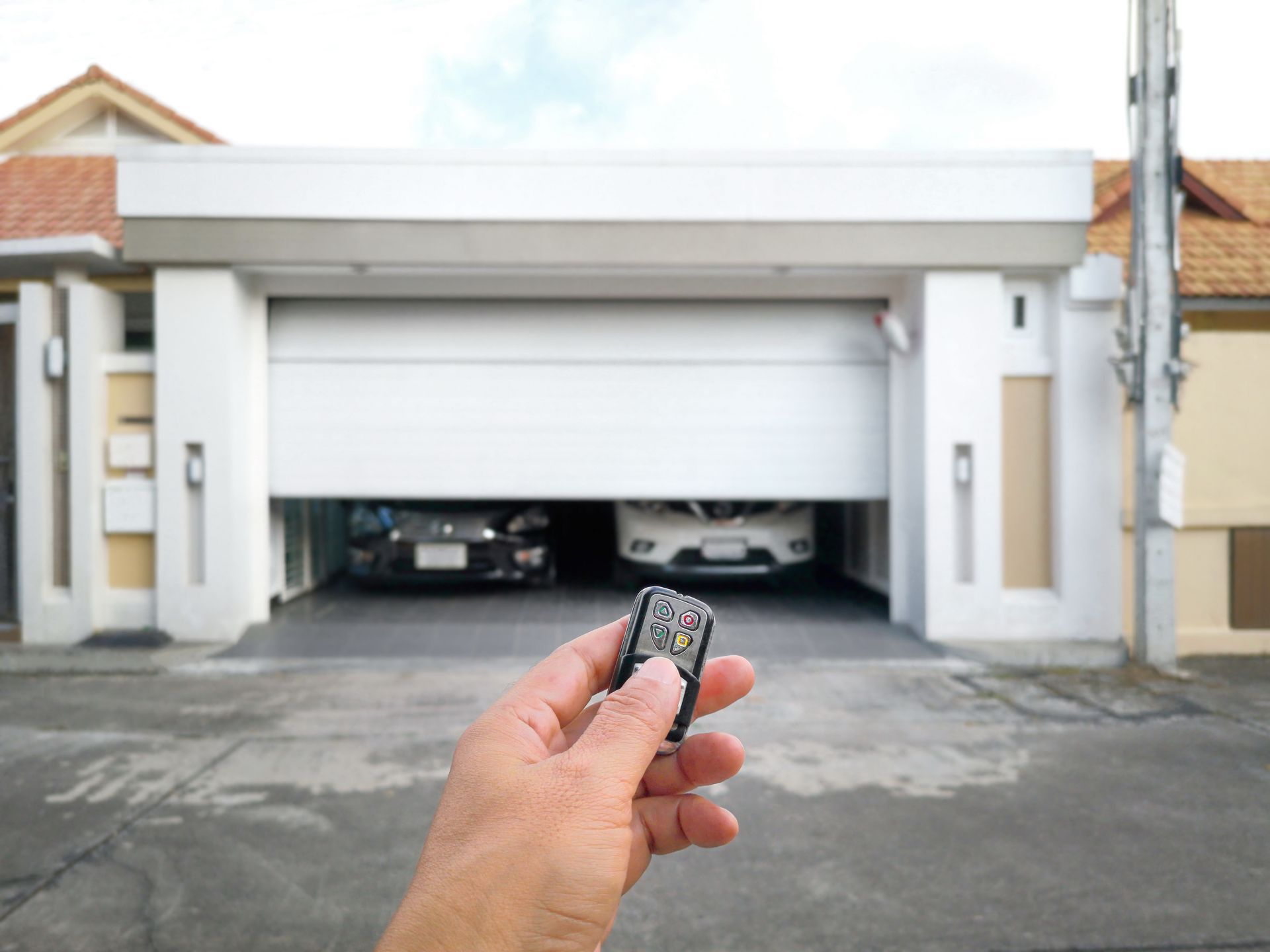
Modern upgrades can significantly improve the performance and convenience of a garage door replacement. Smart technology allows homeowners to control and monitor their garage door remotely through mobile devices, adding both security and ease of use. Notifications and automation features provide additional peace of mind by keeping you informed about the door's status at all times.
Improving insulation and weatherproofing can enhance energy efficiency and comfort. Insulated doors help regulate temperatures inside the garage, which is especially beneficial for attached spaces. Upgraded weatherstripping prevents drafts and moisture from entering, protecting both the interior and the door itself. These enhancements contribute to better overall performance while reducing energy costs.
Additional features such as upgraded security systems, windows, and noise reduction components can further elevate the value of a garage door replacement. Reinforced locks, motion sensors, and improved lighting enhance safety, while quieter operation creates a more comfortable environment. Selecting upgrades that align with your needs allows you to customize the door for both practicality and long-term satisfaction.
By approaching garage door replacement with a focus on quality, maintenance, and thoughtful upgrades, you can extend the lifespan of your door and improve daily convenience. If you're considering a new garage door, now is the time to explore your options, compare features, and take the next step toward a more reliable and visually appealing solution for your home. Contact Bouma Bros Garage Doors today.