Overhead garage doors play a vital role in providing secure, convenient access to your home while protecting vehicles, tools, and stored belongings. Despite their durability, these systems are made up of many moving parts that can experience wear, misalignment, or mechanical failure if not properly cared for. When small issues go unnoticed, they can quickly escalate into major repairs or unexpected breakdowns that disrupt daily routines. By understanding how overhead garage doors function and following consistent preventive strategies, homeowners can reduce costly failures, improve safety, and extend the lifespan of their investment.
Preventive care goes beyond simple convenience—it also contributes to long-term property value, energy efficiency, and peace of mind. Whether your door is manually operated or powered by a modern opener system, proactive maintenance and informed decision-making help confirm reliable operation year-round. The following sections outline practical ways to prevent common failures while maximizing performance and durability.
Maintaining Overhead Garage Doors Through Routine Care
Consistent maintenance is one of the most effective ways to prevent common failures in overhead garage doors. Regular inspections allow homeowners to identify early signs of wear before they turn into expensive repairs. A simple visual inspection every few months can reveal frayed cables, worn rollers, loose hardware, or cracked weather seals. Addressing these issues early helps maintain smooth operation and reduces unnecessary strain on critical components.
Lubrication is another essential part of routine care. Hinges, rollers, springs, and tracks all rely on smooth movement to function properly. Applying a high-quality garage door lubricant reduces friction, prevents corrosion, and minimizes noise. Without proper lubrication, parts wear out faster and place added stress on the door opener, increasing the likelihood of system failure. Lubricating moving components at least twice a year helps overhead garage doors operate quietly and efficiently.
Testing safety features should also be part of any maintenance routine. Auto-reverse mechanisms and photoelectric sensors are designed to protect people, pets, and property from accidents. Periodically checking that these systems respond correctly to obstructions confirms that the door operates safely. Tightening bolts and fasteners is equally important, as vibration from daily use can cause hardware to loosen over time, leading to misalignment or unstable operation.
Optimizing Garage Door Openers for Reliable Performance
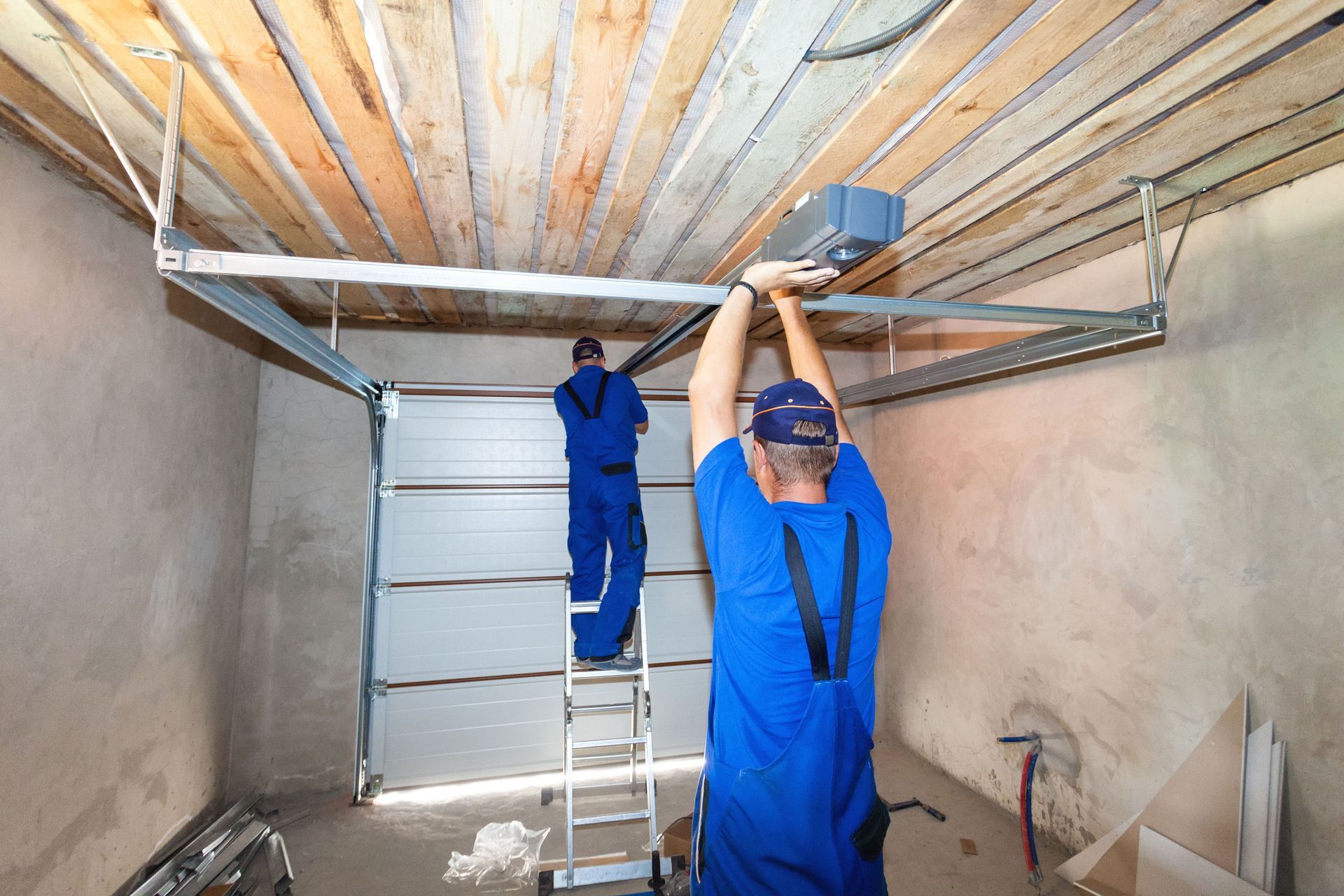
The garage door opener plays a major role in the reliability of overhead garage doors, making proper selection and maintenance essential. Choosing an opener that matches the weight, size, and usage frequency of your door confirms efficient operation and reduces unnecessary strain. An underpowered opener may struggle to lift the door, while an oversized unit can create excessive force, both of which increase strain on the garage door components.
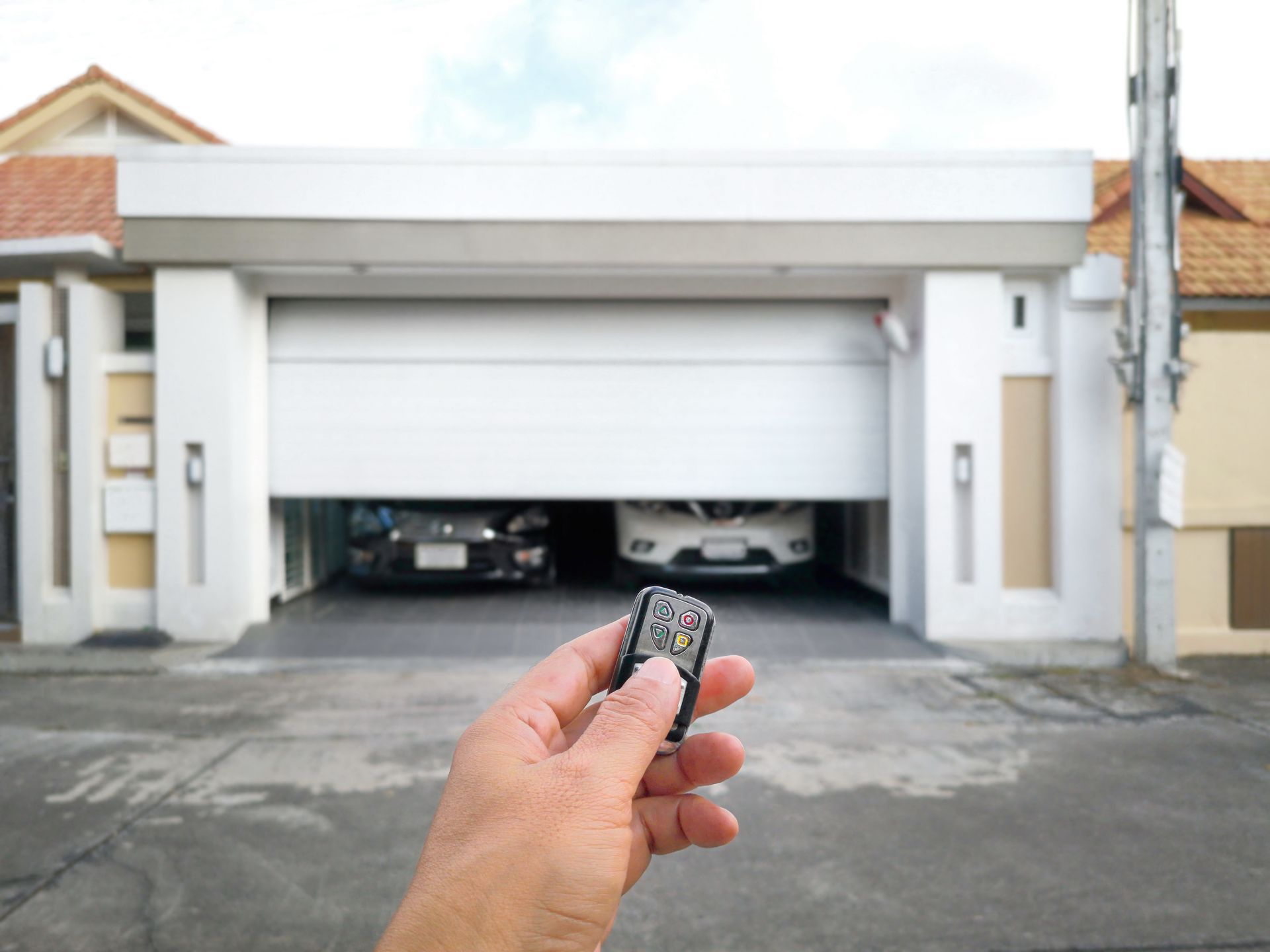
Programming remotes correctly enhances both convenience and security. Proper setup prevents operational errors and reduces the risk of unauthorized access. Periodically reprogramming remotes or resetting access codes helps maintain control over who can open your garage, especially after moving into a new home or replacing an opener system.
Battery backup systems provide peace of mind during power outages, ensuring access to your garage when electricity is unavailable. Regular testing and timely battery replacement prevent unexpected failures when you need the door most. In addition, many modern openers rely on firmware updates to improve performance and security. Keeping firmware current confirms compatibility with smart systems and protects against vulnerabilities.
According to This Old House, the ROI for replacing a garage door is roughly 193%, highlighting the value of investing in reliable components and proper maintenance that protects both functionality and resale appeal. Routine troubleshooting helps catch opener issues early. Unusual noises, delayed responses, or inconsistent operation often signal alignment problems or sensor interference. Addressing these warning signs promptly helps preserve the overall health of overhead garage doors and prevents larger mechanical failures.
Preserving Door Balance and Alignment for Smooth Operation
Proper balance and alignment are critical to preventing premature failure in overhead garage doors. When a door is misaligned or unbalanced, it places excessive strain on springs, cables, and the opener, increasing the risk of breakdowns. Common signs of alignment issues include uneven gaps, jerky movement, or the door stopping mid-cycle.
Testing door balance is a simple but effective preventive measure. When disconnected from the opener, a balanced door should remain in place when lifted halfway. If it falls or rises rapidly, the spring tension may be off. Imbalanced doors force the opener to work harder, shortening its lifespan and increasing the likelihood of failure.
Track alignment also plays a crucial role in smooth operation. Tracks that are bent, loose, or improperly positioned can cause grinding noises and resistance during movement. Making small adjustments or tightening brackets can often resolve minor alignment issues, but more complex problems may require professional attention.
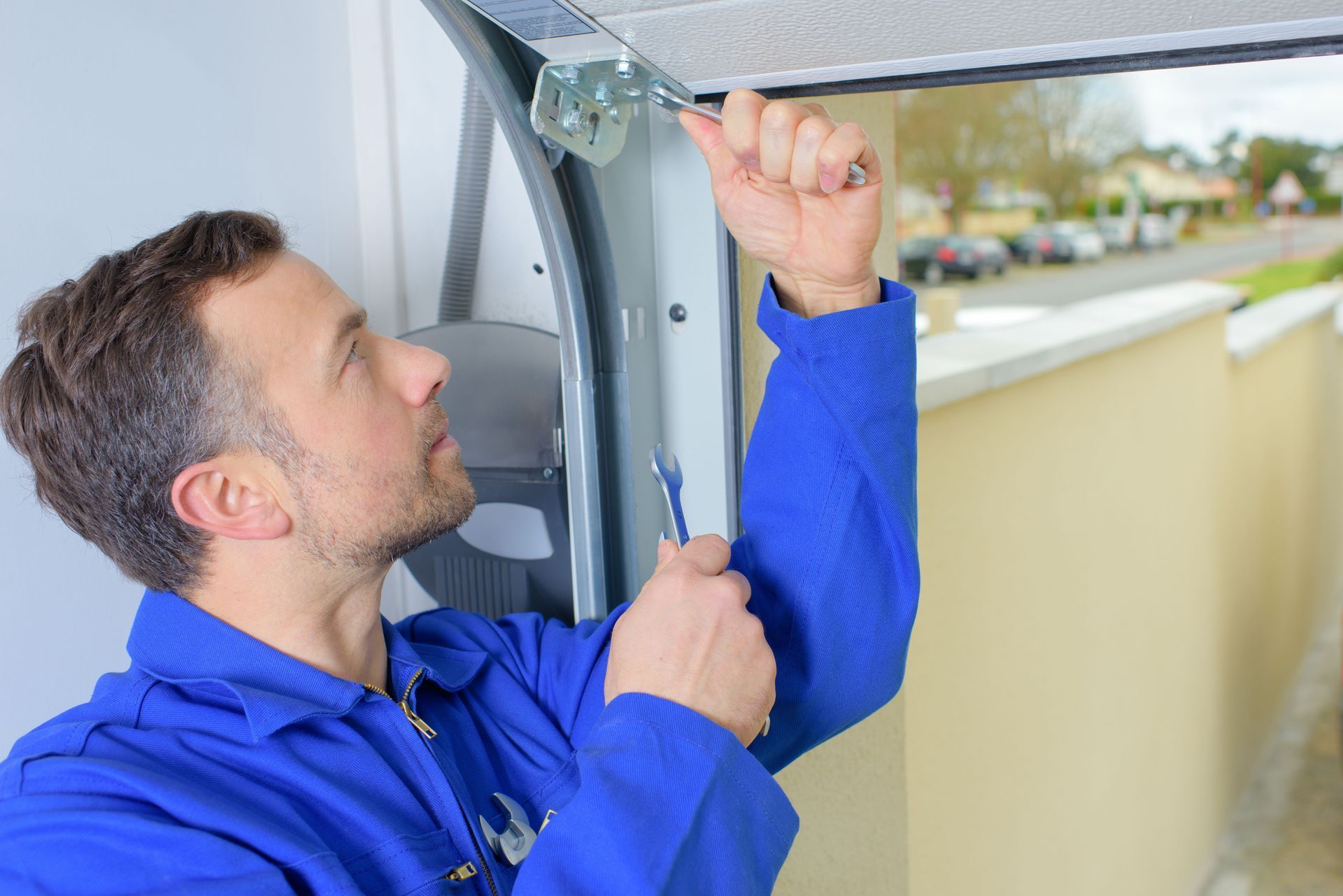
Spring tension is one of the most critical—and potentially dangerous—components to adjust. Springs counterbalance the door’s weight, and improper calibration can lead to sudden failure or injury. For this reason, professional realignment and spring adjustment services are often the safest and most effective option. Skilled technicians confirm that overhead garage doors are properly balanced, aligned, and safe for daily use.
Protecting Overhead Garage Doors From Environmental Damage
Environmental factors can significantly impact the performance and longevity of overhead garage doors. Exposure to moisture, extreme temperatures, and UV rays can cause materials to warp, rust, or deteriorate over time. Implementing protective measures helps preserve both appearance and function.
Weatherproofing is one of the most effective ways to reduce environmental damage. Seals, insulation, and properly fitted weatherstripping help keep out moisture, debris, and drafts. These measures improve energy efficiency by maintaining a stable garage temperature while protecting internal components from corrosion.
Rust and corrosion are common threats to metal doors and hardware. Regular cleaning and the application of rust inhibitors help prevent deterioration, especially in areas with high humidity or road salt exposure. Inspecting tracks, hinges, and fasteners for early signs of corrosion allows for timely intervention.
Temperature fluctuations can cause materials to expand and contract, leading to misalignment or cracking. Insulated doors and proper ventilation help regulate internal conditions, reducing stress on components. Protective coatings also add an extra layer of defense against environmental wear, preserving the finish and extending the lifespan of overhead garage doors.
Enhancing Security and Safe Operation
Security is a major concern for homeowners, and overhead garage doors play a key role in protecting property and personal safety. Installing advanced security features such as reinforced locks, alarms, and surveillance systems deters unauthorized access and increases peace of mind.
Rolling code technology is particularly effective in preventing code theft. By changing access codes after each use, this technology reduces the risk of intruders gaining entry. Regularly updating access codes further strengthens security, especially after changes in household occupancy or lost remotes.
Preventing common failures in
overhead garage doors requires a combination of routine maintenance, informed decision-making, and timely professional support. By focusing on regular inspections, proper lubrication, opener optimization, alignment care, environmental protection, and enhanced security, homeowners can significantly reduce unexpected breakdowns and costly repairs. These preventive measures not only improve daily reliability but also protect property value and safety over the long term.
Whether you need maintenance, repairs, replacement parts, or a full installation, working with a licensed and insured garage door professional confirms dependable results and lasting performance. If you want to keep your garage door operating smoothly and avoid preventable failures, contact a trusted garage door service provider today for a free quote and expert guidance.